Exercise and Fitness
Why Gyrotonic Classes in Palo Alto are Great for Injury Prevention and Recovery
Guest Post
Gyrotonic classes in Palo Alto can help people move with less pain, better control, and more confidence after an injury. I remember watching someone walk into a movement session with tight shoulders, stiff hips, and that careful “don’t hurt me” posture. They were not looking for a hard workout. They wanted to trust their body again.
Unlike workouts that push through tension, gyrotonic classes palo alto focus on smooth circular motions, breath, spinal mobility, and joint-friendly strength.
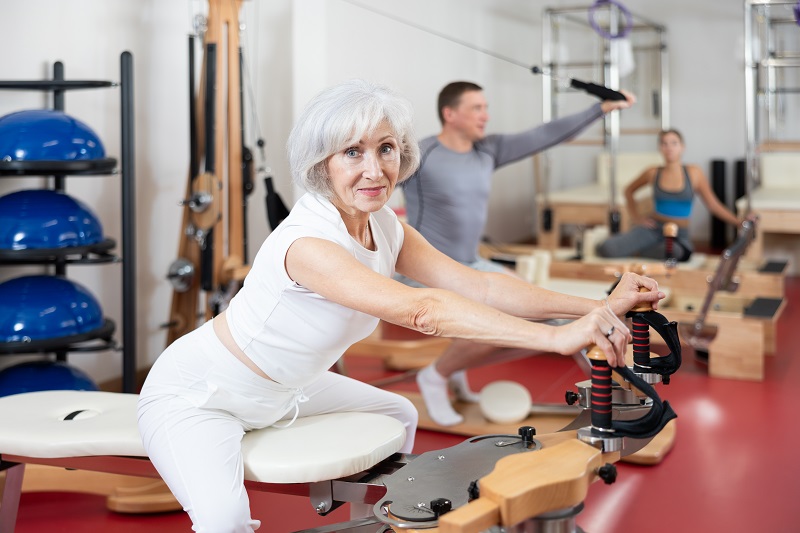
How Gyrotonic Movement Supports Injury Recovery
Recovery is not just about resting until the pain goes away. The body also needs safe movement. When someone avoids movement for too long, the surrounding muscles can become tight, weak, or guarded.
Gyrotonic sessions use flowing patterns that help restore mobility without forcing the body. The movements can be adjusted for people recovering from back pain, shoulder tension, hip stiffness, knee discomfort, or postural strain.
A good session feels like the body is being invited to open up instead of being pushed. That matters because many injuries come with fear. People often wonder, “Will this hurt again?” Gentle movement builds confidence one small range at a time.
Why It Helps Prevent Future Injuries
Injury prevention starts with better movement habits. Many people get hurt because they sit too long, move unevenly, overuse one side, or ignore early warning signs. Gyrotonic exercises train the body to move as one connected system. The spine, hips, shoulders, and core all work together. That can reduce strain on one overloaded area.
For example, a person with tight hips may place extra pressure on the lower back. A person with rounded shoulders may feel neck tension by the end of the day. When mobility improves, the body can share the work more evenly.
A Smarter Option for Tight, Busy Bodies
Palo Alto professionals often spend long hours at desks, in meetings, or driving between work and home. That lifestyle can create stiff backs, tight necks, and weak core support. Gyrotonic training is useful because it does not treat the body like a machine with separate parts. It works with posture, breathing, strength, and flexibility at the same time.
You may leave feeling taller, lighter, and more aware of how you stand and walk. That awareness can carry into daily life. You start noticing when your shoulders creep up. You catch yourself before slouching for hours. You learn how to move before pain becomes a bigger issue.
Building Strength without Harsh Impact
One reason people like this method is that it builds strength without rough, jerky movement. Not everybody needs bootcamp-style training. Some people need careful resistance, better alignment, and smoother coordination.
Gyrotonic equipment supports the body while still challenging the muscles. That balance is helpful for injury recovery because the body can work without feeling attacked. The goal is not to force more reps. The goal is to move better. Over time, that can help improve core strength, shoulder stability, hip mobility, and spinal support.
Real-Life Example: From Guarded Movement to Confidence
A common story is the person who comes in after months of low back discomfort. They have tried stretching, rest, and maybe even a few workouts that made things worse.
At first, they move carefully. They hold their breath. They brace before every motion. Then, session by session, they start to soften. They learn how to rotate through the spine, use the breath, and move from the center instead of gripping the lower back.
The change is not always dramatic on day one. But after a few sessions, daily movements can feel easier. Getting out of a chair, walking uphill, turning while driving, or reaching overhead may feel less restricted. That is the kind of progress that matters in real life.
Why Breath Matters in Recovery
Breath is a big part of this work. When the body feels pain or stress, breathing often becomes shallow. That can increase tension in the neck, ribs, shoulders, and back.
Gyrotonic movement connects breath with motion. This helps people slow down, release unnecessary gripping, and move with more control. Better breathing can also improve body awareness. You start to feel where you are holding tension. You notice when a movement feels smooth and when it feels forced. That awareness helps prevent repeat injuries because you stop ignoring early warning signs.
Better Mobility for Everyday Life
Injury prevention is not only for athletes. It matters when you carry groceries, sit at a desk, walk the dog, lift a child, garden, or travel. Small daily movements can create big strain when the body is stiff or weak.
Gyrotonic training helps improve functional mobility. That means the work you do in class can support the way you move outside the studio. The circular patterns help joints move through a fuller range. The controlled pacing helps muscles support that range. The result is movement that feels less stiff and more natural.
Who Can Benefit from this Type of Class?
These classes may help people recovering from old injuries, active adults, dancers, athletes, office workers, and anyone who feels stiff or restricted. They are also helpful for people who want strength without heavy impact. The movements are smooth, controlled, and adaptable. That makes them easier on the joints than high-impact workouts.
A person recovering from a shoulder issue may focus on gentle arm patterns and upper back mobility. Someone with hip tightness may work on pelvic stability and leg movement. Someone with general stiffness may use the method to improve posture, balance, and coordination. For injury recovery and prevention, the biggest benefit is learning how to move with control instead of force.
What to Expect in a Session
A session usually starts with simple movement and breath. You may work seated, standing, or using specialized equipment. The teacher may guide your spine through arching, curling, spiraling, and lengthening patterns.
The movements should feel fluid, not rushed. You do not need to be flexible, athletic, or experienced to begin. A good instructor will meet your body where it is. That is especially important after an injury. The session should help you explore movement safely, not prove how much you can handle.
Final Thoughts
Gyrotonic classes in Palo Alto are a strong choice for people who want to recover wisely and prevent future injuries. They help improve mobility, posture, balance, breathing, and body awareness. They also support strength in a way that feels controlled and joint-friendly. Most importantly, they help people feel safe in their bodies again.
For anyone dealing with stiffness, recurring pain, or movement fear, this approach offers a gentle but powerful path forward.