Nutrition
Anti-Inflammatory Eating for Chronic Joint Pain: What the Evidence Says
by Ashton
Chronic joint pain is pain in one or more joints that lasts longer than three months. The most common causes are osteoarthritis, where the cartilage in a joint wears down over time, and inflammatory conditions like rheumatoid arthritis, psoriatic arthritis and gout, where the immune system or crystal deposits inflame the joint lining.
So can what you eat make a difference? Yes, but probably less than the internet promises. Food won’t cure arthritis. Still, some eating habits have decent research behind them, and they can take the edge off pain and stiffness for many people. Here is what the studies actually show, and where the hype outruns the science.
What Anti-Inflammatory Really Means
Inflammation is your body’s repair response. Twist an ankle and the swelling, heat and soreness over the next two days are that response doing its job. Trouble starts when the same process keeps simmering for months. That low, constant inflammation drives rheumatoid arthritis, and it plays a smaller part in osteoarthritis and in carrying extra weight.
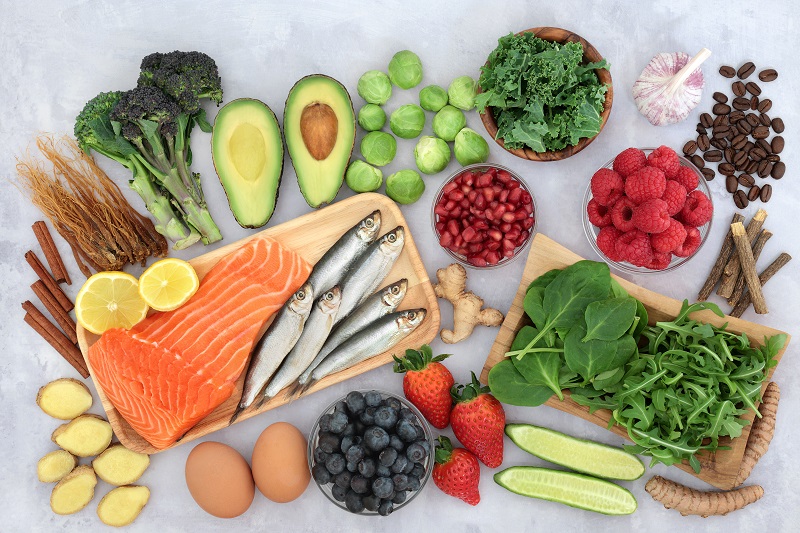
There’s no single anti-inflammatory diet with rules to follow. Think of it as tilting your plate: more beans, leafy greens, berries, oats, walnuts and olive oil, and fewer hot dogs, white bread, sodas and fries. Researchers have mostly tested this through the Mediterranean diet, so that’s where the best data comes from.
The Mediterranean Diet
A handful of trials have put people with rheumatoid arthritis on a Mediterranean-style menu and compared them with people who kept eating as usual. Some found less pain and morning stiffness after about three months. The studies were small, and reviews rate the overall evidence as low quality. Even so, the diet is safe, it’s good for your heart (which matters, because people with rheumatoid arthritis have a higher risk of heart disease), and many people find it easy to stick with.
For osteoarthritis the picture is similar. People who eat this way tend to report less knee pain, but much of that seems to come from the weight loss that often goes along with the change.
Weight Is the Biggest Lever
If you have arthritis in your knees or hips, losing a modest amount of weight is the dietary change with the strongest evidence. A well-known study of adults with knee osteoarthritis found that every pound lost took about four pounds of pressure off the knee with each step.
In a larger trial, people who lost around 10 percent of their body weight through diet and exercise had noticeably less knee pain and better function than people who only exercised. You don’t need to reach an “ideal” weight to feel a difference. Fat tissue also releases inflammatory chemicals, so losing some of it may help joints beyond simply carrying less load.
Omega-3s and Fish
Omega-3 fatty acids, found in salmon, sardines, mackerel and fish oil, have the best evidence of any single nutrient for inflammatory arthritis. In studies of people with rheumatoid arthritis, fish oil modestly reduced tender joints and morning stiffness, and some people were able to use fewer anti-inflammatory painkillers.
The effect takes time, usually two to three months, and the doses used in studies were often higher than what most people get from food. Eating fatty fish twice a week is a reasonable goal. If you want to try a supplement, talk to your doctor first, especially if you take blood thinners. For osteoarthritis, the benefit of fish oil looks small.
Turmeric, Ginger, and Other Supplements
Curcumin, the active compound in turmeric, has shown some pain relief for knee osteoarthritis in small trials, in a few cases close to the effect of an over-the-counter anti-inflammatory. Most of those trials were short and some were funded by supplement makers, so the results aren’t settled. Curcumin is also poorly absorbed unless it’s paired with black pepper extract or a special formulation.
Ginger has weaker evidence. Glucosamine and chondroitin have been studied for decades, with mixed results. Some people feel better on them and many don’t.
Vitamin D is worth checking if you’re low, because low levels are linked to weaker bones and muscles. In one large trial, taking vitamin D for five years lowered the chance of developing an autoimmune disease, including rheumatoid arthritis. But for people who already have osteoarthritis, vitamin D supplements haven’t been shown to reduce knee pain.
Foods That May Make Things Worse
Gout is the clearest case where food directly triggers joint pain. Red meat, organ meats, shellfish, beer and drinks sweetened with high-fructose corn syrup can all raise uric acid and set off a flare. Cutting back on these helps, although most people with frequent gout attacks still need medication.
For other kinds of arthritis, some people notice that sugary foods, alcohol or heavily processed snacks make their joints feel worse. The research here is mostly observational, but there’s no harm in noticing your own patterns. Keeping a simple food and pain diary for a few weeks can show you whether a certain food seems to matter for you.
You may have read that tomatoes, peppers, potatoes and eggplant (the nightshade family) inflame joints. Studies haven’t backed that up for the average person with arthritis, and dropping them takes away some of the most nutritious foods in a typical kitchen. If you’re convinced they bother you, the diary above is a fair way to test it.
A Simple Way to Start
Pick one or two of these this week and add another once they feel normal:
– Swap butter for olive oil when you cook.
– Add a serving of vegetables to lunch and dinner.
– Eat fish twice a week, or beans and lentils if you don’t eat fish.
– Choose water or unsweetened drinks instead of soda.
– Keep a handful of nuts around instead of chips.
Give it at least eight to twelve weeks before deciding whether it’s helping. Diet works slowly, and joint pain naturally goes up and down.
When Food Isn’t Enough
Diet can help, but it doesn’t replace medical care. See a doctor if a joint is hot, red or very swollen, if you have morning stiffness that lasts more than an hour, if several joints hurt at the same time, or if the pain is waking you up at night. Inflammatory arthritis can damage joints if it isn’t treated early, and medications work far better than diet alone at stopping that.
For most people with chronic joint pain, the best results come from combining several things: staying active, keeping a healthy weight, eating mostly whole foods, and working with a doctor or physical therapist on a plan that fits your joints and your life.
About the Author
Ashton is the marketing manager at Complete Medical Wellness, a multi-specialty clinic in New Jersey and New York offering chiropractic care, physical therapy, podiatry and sports injury treatment.