Health
Food Sensitivity in Venice: Diet’s Role in Digestive Health
Guest Blog
The standard diet in Venice, Italy, is usually full of rich sauces, pastas, and dairy, though fresh fruits, vegetables, and meats play a vital role. While you may gladly take in your fair share of the traditional local cuisine, your stomach may have other plans if you have food sensitivities. By understanding what symptoms you could experience and the foods most likely to upset your digestive tract, you can better meal plan, get the nutrients you need, and keep your digestive health in check.
What a Food Sensitivity Is
Unlike a food allergy that stems from your immune system responding when a certain food enters your body, a food sensitivity is less severe. It means you have difficulty tolerating a certain food. Your digestive tract has difficulty processing it.
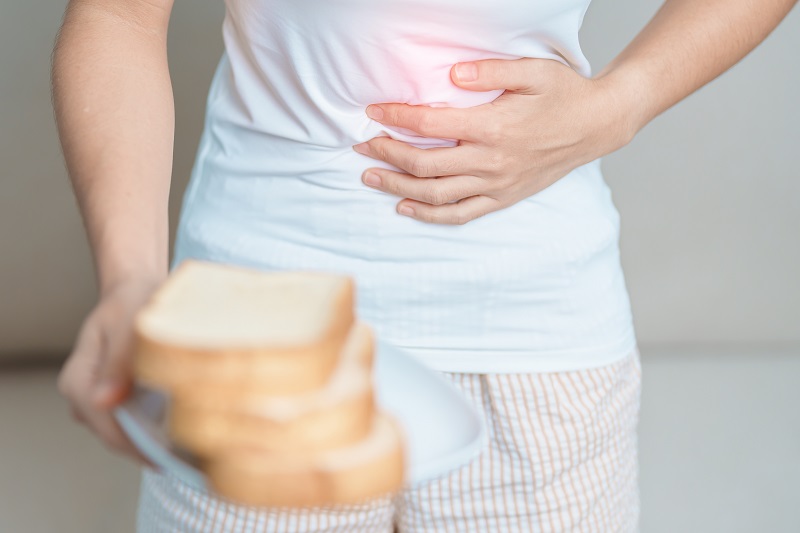
Symptoms of a Food Sensitivity
While not everyone has the exact same symptoms from a food sensitivity, the most common ones include:
- Constipation
- Diarrhea
- Digestive discomfort
- Bloating
- Abdominal cramps
- Gas
- Nausea
Some people experience symptoms shortly after they eat the foods, while others may not have any signs of digestive upset until several hours after they consume the food.
Foods Likely to Cause Food Sensitivities
People are more likely to be sensitive to certain foods, such as the following:
Dairy/Lactose
The most common food sensitivity is lactose intolerance. Estimates show it affects about 68 percent of people worldwide. Interestingly, though, the prevalence of lactose intolerance in Europe is much lower, at around 28 percent.
When talking about this food sensitivity in Venice, it’s important to note that lactose intolerance comes from when your body has difficulty breaking down the sugar found in dairy, which is lactose. Primarily released by your small intestine, lactase is the enzyme responsible for breaking down this sugar. If your body doesn’t produce enough of it, your digestive tract doesn’t break down the lactose. As a result, the undigested sugar enters your large intestine, where the beneficial flora work to digest it. This leads to unpleasant symptoms.
Gluten
Another common one is gluten intolerance, which involves a type of protein found in certain grains. It can make consuming common foods in Venice, like pasta and pizza, unpleasant. Though they sometimes get put together, celiac disease and gluten intolerance are different.
Gluten intolerance happens when your body struggles to digest gluten, while celiac disease is an autoimmune disorder where your immune system mistakes gluten for a harmful invader and attacks the lining of your small intestine.
Onions and Garlic
Onions and garlic are common ones as well, both of which are commonly added to dishes in Venice. These are both high in fructans — a type of carbohydrate consisting of multiple fructose molecules. While you can have a sensitivity to them and not have irritable bowel syndrome (IBS), those with IBS are most likely to have a reaction.
How Diet Can Affect Digestive Health
Diet can play a significant role in keeping your digestive tract regulated and functioning. The foods you eat affect your intestinal movement, gut bacteria, and nutrient absorption. They can also impact how well you digest food. The ideal approach is to eat a wide variety of foods to obtain adequate nutrients and digestive support while avoiding the foods you’re sensitive to.
Identifying Which Foods You’re Sensitive To
Have you been noticing you’re having digestive symptoms after you eat? The best way to figure out the culprit is to keep track of what you eat.
You can figure out if it’s a FODMAP, lactose, or another food or food group you’re sensitive to by keeping a food log/diary. In it, you put what you eat for meals and snacks. You should also make note of what you’re drinking.
Once you experience digestive symptoms, look back at your food log and see what you had right before you weren’t feeling well. Ideally, you’ll want to track your food intake for a bit so you can pick up on patterns.
If you’re not quite sure what in a food could be bothering you but have identified the foods, you’ll either want to research or speak to your doctor. You can then understand what your body is most likely reacting to and which other foods contain it.
How to Eat in Venice While Watching the Foods You Choose
First and foremost, you want to know what your sensitivities are if you’re having symptoms. From there, you can better meal plan in Venice.
If you’re unsure or want to know of foods that are safe bets, you’ll generally want to choose dishes with potatoes, rice, bananas, zucchini, and cooked carrots. If you don’t have an allergy to any seafood, simply prepared fish is a good option. Chicken is another protein that most people can tolerate well.
When you order out or eat someone else’s cooking, always know exactly what they put in a dish. Let them know what you can’t have. Make sure that if you eat any prepared food, you read the labels carefully.
Ideally, you want to eat a diet high in plant-based foods, minus the ones you have a sensitivity to. These provide your body with the nutrients it needs to support your gut microbiome. When it’s healthy, you’re more likely to digest foods more easily. Fermented foods like yogurt also support the healthy bacteria in your gut for better digestion.
Cooking at home is one of the most helpful tips you can follow. You can then have full control over the foods you eat. For instance, you can substitute lactose-free milk into your cream sauces or use green onion tops or chives instead of onions. Potatoes or rice serve as a good alternative to noodles in many dishes if you’re sensitive to gluten.
The foods you eat have an immense impact on your digestive health. You might not get all the nutrients you need when you’re frequently suffering from digestive upset. And this is only part of it. By understanding your sensitivities and choosing foods with them in mind, you can get the nutrients you need and help your digestive health at the same time.