Health
Chronic Pain Relief with Music, Martial Arts, Myotherapy, and More
by Alan E. Smith
This is a wonderful time of year with Thanksgiving, Christmas, and even the start of a new year coming up. If you suffer from chronic pain though, it only makes your life more miserable. There are options that can help make your life better.

Tai Chi
Tai Chi is a soft style, or relaxed form, of the martial arts. It is based on the Yin/Yang concept of meeting hard with soft, using leverage rather than muscle tension to neutralize attacks. The easily recognizable slow, gentle, flowing movements of Tai Chi have been seen in large crowds across China and around the world. It is often seen as a kind of moving meditation. It follows many of the principles of Traditional Chinese Medicine and has many reported health benefits, especially for the elderly. Researchers have found the long-term Tai Chi practice has favorable effects in balance, flexibility, and cardiovascular fitness with reports of reduced pain, stress, and anxiety in healthy subjects.
Tylenol
Tylenol, or acetaminophen, is an over-the-counter pain reliever for a wide variety of pain, ranging from headaches and arthritis pain to all types of muscle and even sinus pain. It’s available in tablets, capsules, liquid, chewable tablets, and even powders that dissolve. Be warned that anyone weighing at least 110 pounds should not take more than 1000 milligrams at one time or more than 4000 mg in 24 hours. If you drink more than three drinks per day, you may not be able to take Tylenol because it can damage your liver. Stop taking Tylenol and contact your doctor if you continue to have a sore throat after using it for two days or if you still have a fever after three days. Call your doctor immediately if you develop a skin rash or nausea, vomiting, swelling, or other serious reaction. While this may be an over-the-counter medication, it is still a medicine that can be dangerous.
Myotherapy
In 1976, Bonnie Prudden developed her Myotherapy method to relax muscle spasms, relieve pain, and improve circulation. The technique is based on the concepts of trigger point injection therapy and therapeutic exercise.
Older people often suffer from trigger points more as a result of collecting more trigger points throughout their lives. Bonnie said it’s pain that ages us, not years, and pain comes from someplace, usually trigger points. Fibromyalgia is a type of muscle pain that can be helped by this therapy.
Myotherapists defuse the pain by pressing or pinching on the appropriate trigger point for several seconds with fingers, knuckles, or even elbows and then passively stretching the muscle into its normal relaxed and painless condition. Usually the pressing lasts less than seven seconds at each spot. Patients wear loose clothing and no shoes for a myotherapy session. The exercises taught to each patient afterwards are necessary for them to remain pain-free.
Music Therapy
Although Music Therapy dates back to ancient times, the modern concept originated in veterans hospitals after the wars when doctors noticed the beneficial physical and emotional responses of patients to music from visiting musicians. Today it improves the quality of life for children and adults suffering from chronic pain, disabilities or disease by improving motor skills, social and cognitive development, and even spiritual awareness. There isn’t one particular type of music that is more beneficial than others. The type of music chosen for therapy will depend on the patient’s preferences, situation, and type of assistance needed. Music can be used to help motor skills develop in children with special needs or adults recovering from stroke. Simply listening to music can help memory function in the elderly. Classical and jazz music are often credited with improving mental functions due to their complex arrangements.
Eye Movement Desensitization and Reprocessing (EMDR)
EMDR barely qualifies as “alternative therapy” today due to its proven effectiveness. Francine Shapiro discovered in 1987 that eye movements appeared to decrease the negative emotions connected with distressing memories. Increased stress and tension can cause all sorts of pain and discomfort. The process uses standardized procedures that include having the client remember difficult or traumatic experiences while simultaneously focusing on an external stimulus such as following the therapist’s fingers back and forth with their eyes for 20 or 30 seconds. Therapists also use sounds, tapping, or other touch stimulation in this therapy.
There are many, many other options to reduce your pain today ranging from the ancient to the newest techniques so don’t give up finding your solution!
About the Author
Alan E. Smith discovered amazing therapies to improve his own health. The more he learned the more he wanted to share the hope for better health with others so he wrote the award-winning book UnBreak Your Health.
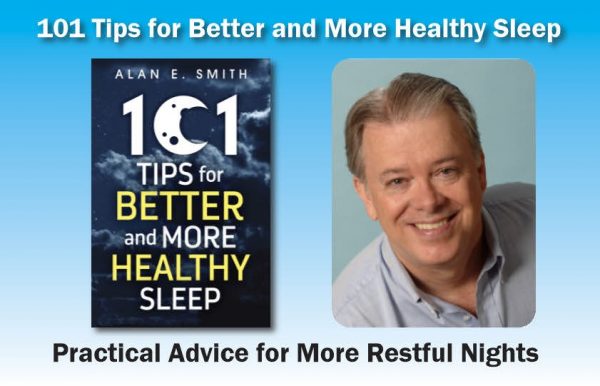
Featuring over 300+ therapies in more than 138 different categories, testimonials and some of the most interesting recent scientific developments this is the place to begin a journey of healing. In 2023, his book 101 Tips for Better And More Healthy Sleep was published by the Loving Healing Press which also published his latest book 101 Tips for Chronic Pain Relief: Traditional, Alternative, and Complementary Health Solutions You can Use!. You can follow Smith’s work at www.unbreakyourhealth.com.