Animals
How to Care for Your Dog after Tooth Extraction Surgery
by Emma Johnson
When your pet dog has a tooth removed, the experience is stressful for you and your pet alike. Knowing how to provide proper aftercare during the recovery process of dog tooth extraction is important for a safe and comfortable healing process. Everything from managing pain to adjusting eating habits, this guide covers everything you need to know about dog tooth extraction aftercare.
Regardless of whether your dog has a tooth extracted or more extensive oral surgery, recovery time will be different depending on age, general health, and how severe the dental disease is. As your senior dog recovers from tooth removal, it’s particularly crucial to give them extra care and monitor their healing closely.
Let’s go over everything you need to know to help your dog recover after surgery.
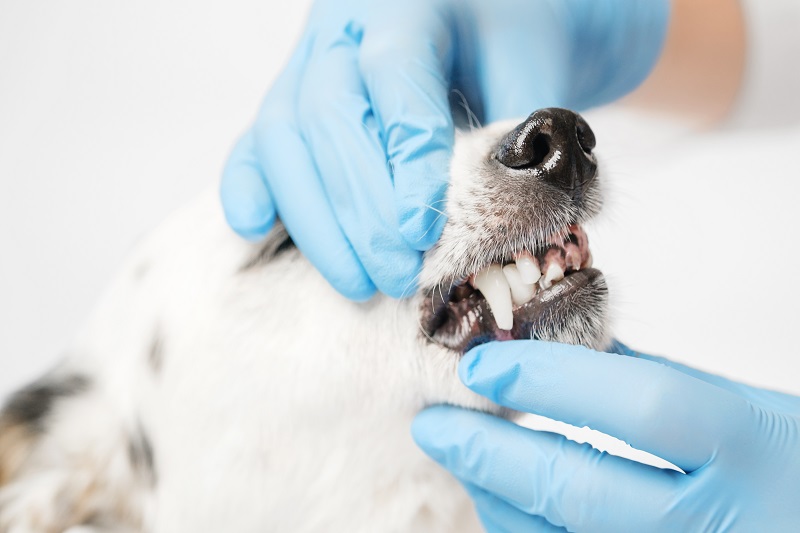
What is Dog Tooth Extraction?
Dog tooth removal is a routine veterinary operation carried out when a tooth is badly decayed, broken, infected, or sore from gum disease. The problematic tooth (or teeth) is removed by the veterinarian under general anesthesia, and based on complexity, the gum line is closed using stitches.
Extractions can be included in routine dental cleaning or performed as part of emergency dental treatment. Your dog can be groggy, uncomfortable, or even a bit disoriented after surgery for several hours.
Immediate Post-Surgery Care after Dog Tooth Extraction
The initial 24-48 hours are what matter most in dog tooth removal recovery. Your dog may show the following symptoms during this time:
- Lethargy or being groggy
- Mild gum bleeding
- Licking or drooling
- Refusal to drink or eat
- Whimpering or discomfort signs
Following is what you need to do immediately:
- Avoid activity: Rest the dog and do not permit running, jumping, and playing.
- Offer a quiet place: Create a quiet, comfortable resting place free from noise or disturbance.
- Adhere to pain medication: Your veterinarian will give you painkillers or anti-inflammatory medication. Use these precisely as instructed.
- Avoid brushing teeth: For a minimum period of 7-10 days after surgery, try not to brush or touch your dog’s teeth.
Feeding Your Dog after Tooth Extraction
Can dogs eat regularly after tooth extraction? Not immediately. Your dog will struggle chewing for a few days, depending on how many teeth were pulled. Here’s what to feed:
- Soft food only: Wet food or softened kibble in warm water is best during the first 7-10 days.
- Small bites: Give them smaller portions more frequently so as not to overload their mouth.
- Avoid giving hard toys or treats: Refrain from providing bones, hard-to-chew dental care treats for dogs, or dental toys when they are healing.
Once your dog’s gum is in the process of healing, and your dog appears ready to chew, you can slowly offer regular food at the advice of your veterinarian.
Pain Relief and Distress Management after Dog Tooth Extraction
The majority of dogs recover well, but there is always going to be some discomfort. Pain management is a vital part of successful dog tooth extraction aftercare.
Your veterinarian might prescribe:
- NSAIDs (Non-Steroidal Anti-Inflammatory Drugs)
- Opioids or light sedatives (in a few instances)
- Antibiotics to prevent infection
Look for signs of excessive pain, like pawing at the mouth, whining, or refusal to eat even a soft diet. If the symptoms worsen, call your veterinarian at once. The continuously evolving veterinarian work environment has an accompanying increasing emphasis on enhanced communication, empathy, and support systems to ensure smooth aftercare results.
You’ll frequently see a veterinarian working not only to take vitals, but also teaching pet owners everything from managing pain to making dietary changes following surgery.
Monitoring the Healing Process
How long does it take for a dog to recover from tooth surgery?
On average, most dogs recover in 10 to 14 days, but full gum healing can take up to three weeks. Here’s what to expect during this time:
Days 1-3:
- Mild swelling and tenderness
- Less hunger
- Drowsiness caused by anesthesia
Days 4-7:
- Appetite resumes
- Swelling decreases
- Energy picks up
Days 8-14:
- Gums start healing
- Activity returns to normal
- A follow-up visit might be required
If your older dog needs tooth extraction, the process will take longer. Fewer forceful remedies and more nutritional support will be required.
When Can You Resume Normal Activities
When may I walk my dog following tooth extraction?
Wait a minimum of 48-72 hours to resume brief, relaxed walks. Refrain from exercise, strenuous play, or actions that might disturb healing gums. Every dog heals differently, so always check with your veterinarian before gradually increasing their activity level.
If you typically socialize with other pets or go to parks, wait at least a week after these excursions in order to reduce stress and the risk of infection.
Can I Leave My Dog Alone After Tooth Extraction?
Yes, but not immediately. Dogs can be left alone for short periods after 12–24 hours have passed since surgery. After recovery from this initial time frame, you can leave them alone for a few hours as long as:
- They’re relaxed and not showing any visible signs of pain.
- They’ve had food and medication.
- They’re resting safely in a comfortable area.
For dogs that are stressed and suffer from separation anxiety or have a history of prior stress chewing, the use of a crate or safe confinement to prevent further injury can be an option.
Dog Tooth Extraction Aftercare
Following your dog’s complete recovery, maintaining dental care in top condition is more important than ever. Preventing future problems will decrease the odds of another extraction.
A couple of helpful hints:
- Dental care chews for dogs that are specifically formulated to be of value to oral health should be included.
- Use veterinary-approved toothpaste and gentle toothbrushes.
- Regularly scheduled dental cleanings with your veterinarian are also advisable.
- Watch for indications of oral disease: bad breath, red gums, or loose teeth.
Preventive care not only makes your dog more comfortable but also reduces the need for subsequent surgical interventions.
Special Considerations for Senior Dogs
Older or senior dog tooth extraction recovery can include:
- Slower healing times
- Higher pain sensitivity
- Conditions that already exist, such as arthritis or heart disease
These dogs require special attention, warm bedding, and food softened to their liking. Routine visits with veterinarians and customized aftercare routines are essential for their comfort.
The Veterinarian’s Role in Recovery Support
A well-trained veterinary team is behind every successful recovery of a dog tooth extraction. Veterinary professionals don’t just conduct surgeries; they also guide pet parents through the frequently daunting process of post-operative care.
But, to provide their patients with good care and advise pet parents the best way possible, veterinary professionals also require some respite and a healthy work-life balance.
A healthy work-life balance for vets is necessary to provide a stress-free post and aftercare for veterinary patients.
Final Thoughts
Taking good care of your dog after the removal of teeth all depends on patience, attention, and affection. Understanding the recovery process and providing the right aftercare, you see to it that your loving companion heals with ease and confidence.
From meal adjustments to monitoring warning signs, every detail counts. And remember, the greatest gift you can bestow upon your dog after recovery is prevention: regular dental care, gentle checks, and daily affection.
FAQs
Is it safe for dogs to resume normal eating after tooth removal?
Not immediately. Start with bland foods and progress to a regular meal transition during 1-2 weeks, based on healing and your veterinarian’s advice.
How soon can I walk my dog after dental surgery?
Light activity is usually able to return after 2-3 days. Avoid strenuous activities until your vet advises that healing has been completed.
What is the normal healing time for a dog after tooth extraction?
The majority of dogs heal in 10-14 days, although senior dogs or those with multiple extractions take up to 3 weeks.
About the Author
Emma Johnson is a professional content writer specializing in animal healthcare and veterinary topics. Her work provides pet owners and veterinarians with insightful, well-researched information to improve animal care.