Health
A Cornucopia of Pain Tips to Ease Your Mind, Body, and Spirit
by Alan E. Smith
Pain isn’t any fun at any time or place. It hurts and all you want is for it to go away. That’s why these tips are to help you find ways to stop your pain and improve your life. In this second installment, we encourage you to examine a cornucopia of mind, body, and spirit solutions—from ancient Chinese medicine to high-tech biofeedback, life-changing arthritis supplements, Buddhist mindfulness, and more.
Biofeedback is a process of recognizing the functioning of the body’s systems in real time with the goal of correcting or improving performance. Change is accomplished by learning to modify the mind-body connection to alter muscle response, blood pressure, and other bodily functions including pain. The concept of voluntarily changing the autonomic nervous system through feedback was first studied in 1961.
Many people are familiar with the high-tech equipment often used in movies and sports to improve muscle tone and coordination; but a mirror can also be a biofeedback device.
Glucosamine & Chondroitin have to be included because there are too many folks who swear by it. The reason there are two chemicals together is because you frequently see them together in products like Move Free and many others, but they can be bought separately. Chondroitin is believed to help you maintain fluid and flexibility in your joints. Meanwhile Glucosamine helps you build cartilage. Cartilage is a type of connective tissue which protects and cushions the bones.
People with osteoarthritis know that their cartilage has worn down and the bones are rubbing together in a painful manner. Since 3.6% of the population suffers with osteoarthritis, they’re looking for this type of specific pain relief. The combination of Glucosamine and Chondroitin works together for just this reason.
Mindfulness-Based Stress Reduction is more than the name implies; it’s a process of intentionally focused awareness of the present moment without judgment as a method of self-reflection. MBSR operates without the restrictive attitudes of yourself, others, or the world.
MBSR also taps directly into the spiritual discipline of the heart, spirit, soul, Tao, Dharma, or other entity name. This type of present-moment awareness helps you to experience your life not only with acceptance but also an eager curiosity and appreciation. Participants learn to open their eyes to the pleasures of their life and improve their skills for tapping into their own wisdom and internal resources.
There have been decades of research on MBSR since the program’s inception, documenting the many benefits of the process. Participants increase their ability to relax but also experience decrease in physical problems like pain and psychological symptoms with a corresponding increase in self-esteem, energy, and enthusiasm for life.
Acupuncture is estimated to be around 5,000 years old and it is a vital part of Traditional Chinese Medicine (TCM). The technique stems from the belief that the body’s vital energy Chi or Qi (pronounced chee) flows throughout the human body. Chi travels throughout the body along meridians or channels. The meridians mirror themselves in pairs on both sides of the body.
There are more than 2,000 acupuncture points or specific locations where the meridians come to the surface of the skin so practitioners can easily reach them with one of the nine types of acupuncture needles. The connections between acupuncture points ensure that there is an even circulation of Chi creating a balance between yin and yang. Energy constantly flows up and down these pathways but whenever the pathways become too strong, too weak, obstructed, or just unbalanced, there is a problem. Acupuncture restores the balance.
Pilates is a physical education program developed by Joseph Hubertus Pilates in the early part of the twentieth century. It is a set of principles and full-body, sequential exercises which works the whole body in balance, coordinating the upper and lower parts of the body with its center or core. It can also be used to reduce and control pain by properly aligning the body.
Born in Germany in 1880, Pilates was a frail child but grew up to become an accomplished athlete, gymnast, and boxer. During World War I, he was held in detention camps in England where he became a nurse and devised exercises for immobilized patients.
Originally called Contrology, it focuses on the core postural muscles which help keep the body balanced and provide support for the spine. Pilates exercises teach awareness of breath and alignment of the spine. Programs are uniquely tailored to each individual, which is why it can be used to treat health problems. It became known as the Pilates Method after the death of Joseph Pilates in 1967.
I hope these suggestions help you find a more pain-free life.
About the Author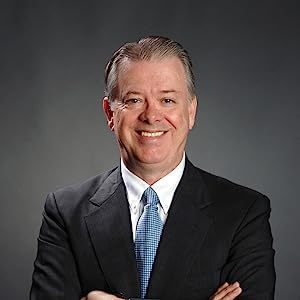
Alan E. Smith discovered amazing therapies to improve his own health. The more he learned the more he wanted to share the hope for better health with others so he wrote the award-winning book UnBreak Your Health. Featuring over 300+ therapies in more than 138 different categories, testimonials and some of the most interesting recent scientific developments this is the place to begin a journey of healing. In 2023, his book 101 Tips for Better And More Healthy Sleep was published by the Loving Healing Press which also published his latest book 101 Tips for Chronic Pain Relief: Traditional, Alternative, and Complementary Health Solutions You can Use!. You can follow Smith’s work at www.unbreakyourhealth.com.