Health
5 Tips for Dealing with Chronic Pain
by Alan E. Smith
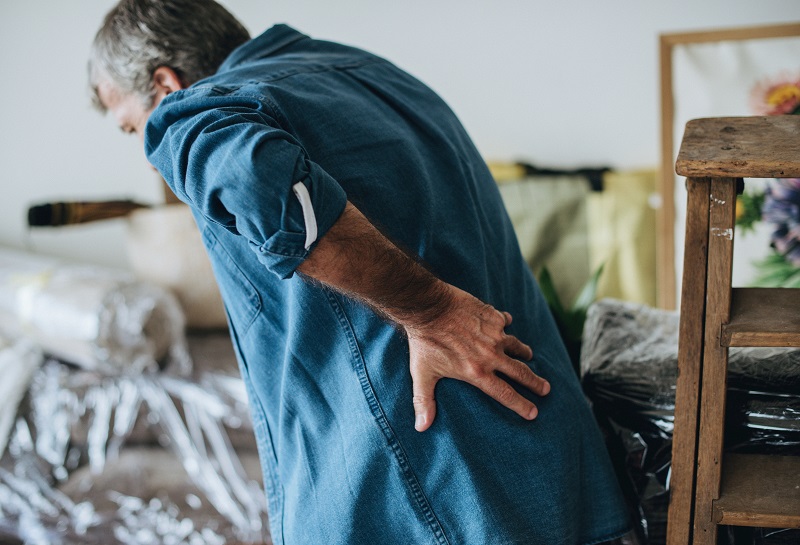
Pain can be low, pounding, never-seems-to-go-away pain or stabbing, piercing, want-to-scream-at-the-top-of-my-lungs pain. There are as many ways to describe pain as there are adjectives and adverbs in the English language. If you suffer from chronic pain of any flavor, you want it to end as quickly as possible. Here are five recommendations to consider.
Tip #1 Infrared Therapy
Infrared Therapy for pain relief and control goes back to the 19th century when we began to take advantage of this invisible electromagnetic radiation. It’s actually an extension of ancient healing techniques that used the power of the sun. This is not heat therapy but light (or near light) therapy.
A study in 2006 by the Rothbart Pain Management Clinic in Ontario, Canada, showed that chronic back pain could be reduced by up to 50% with Infrared Light Therapy so keep this cheap alternative in your bag of chronic pain-relieving tricks.
Tip #2 TENS (Transcutaneous Electrical Nerve Stimulator)
TENS or Transcutaneous Electrical Nerve Stimulator is a pocket-sized electronic device that generates electrical signals to stimulate nerves through the skin for pain relief, frequently for the back. A typical unit is battery powered with controls for frequency and intensity, a pulse generator and transformer. The unit is connected by wires to electrodes which stick on the skin.
The TENS unit controls pain by sending electrical signals to the nerves blocking the pain signal to the brain. The positioning of the electrodes on the skin determines which muscles and nerves are stimulated. TENS may also work by stimulating the body’s own endorphins in the brain which act to reduce pain.
Tip #3 HempvanaTM
One of the newer over-the-counter (OTC) pain solutions is Hempvana which is a pain relief cream with hemp seed oil. It not only relieves pain but also inflammation. One of its advantages is that it treats the pain and not the entire body like a drug.
Tip #4 Humor Therapy
It’s often been said by those outside the mainstream medical community that “laughter may indeed be the best medicine,” possibly because it’s affordable but also because it’s true. Humor Therapy is often considered a type of Psychoneuroimmunology.
Doctors didn’t seriously consider laughter a legitimate form of therapy until the New England Journal of Medicine published the Norman Cousins case study in 1979 showing how laughter could reverse a serious disease. Norman Cousins published Anatomy of an Illness in 1964 about his fight with ankylosing spondylitis, a painful disintegration of the connective tissue in the spine. He designed his own humor therapy and discovered that 15 minutes of laughter could bring him up to two hours of pain-free sleep. Since that time laughter has been found to lower blood pressure, reduce stress hormones, boost immune system function and release endorphins, the body’s natural pain killers.
Tip #5 Aromatherapy
Aromatherapy is the ancient concept of using potent distilled extracts of flowers, fruits, grasses, leaves, spices, roots, woods and other organic substances to stimulate the organs, the healing systems of the body and to enhance psychological wellbeing. As a holistic healing process it is able to work on several different levels. Using essential oils the approach delivers various scents to the body directly through the skin by massage or inhaled through the nose.
The use of the olfactory sense provides for an immediate response and easy absorption into the bloodstream, even when the subject has a stuffy nose and can’t smell. This pathway is especially powerful because it is the only place in the body where the central nervous system is directly exposed to contact with the environment. Once an olfactory cell is activated, it sends a signal directly to the limbic part of the brain. In most cases, our subconscious mind has already received and reacted to the signal due to our memories and emotions before we’re consciously aware of the sensation.
Your pain is your pain, unique and individual, it’s all yours. Hopefully you’ll find your answer sooner rather than later.
About the Author
Alan E. Smith is the author of several books to improve health including 101 Tips for Deal With Chronic Pain, 101 Tips for Better Sleep, and How To UnBreak Your Health. Visit his Amazon page to see his publications.